


Lucky Translate
4.7206.00 Reviews
App Specs
- Version
- 1.3.2
- Updated On
- License
- Free
- Downloads
- 1,000,000+
- Developer
- Digitnesia
- Categories
- Productivity
- Platform
- Android
Screenshots

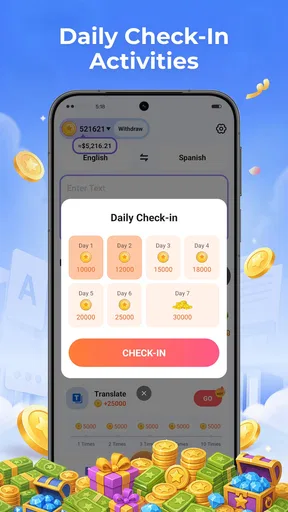
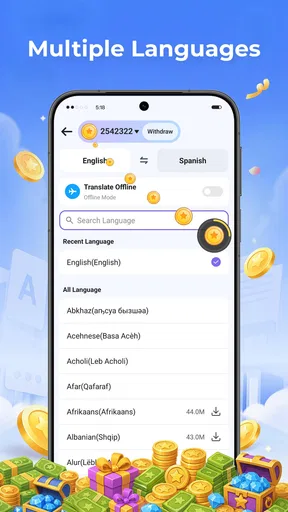
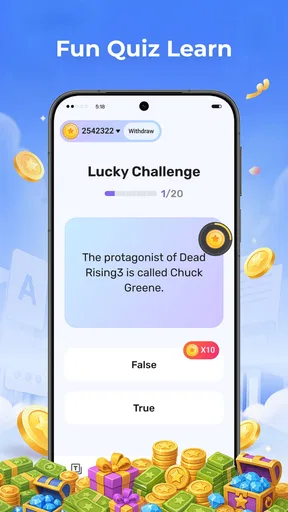
 Analysis by AppCompare
Lucky Translate is a productivity app from Digitnesia that takes a familiar task—translating text—and adds a reward-focused angle. I found the idea interesting because it changes the way I think about a translation tool: instead of opening it only when I need a quick language conversion, I can treat it as a small utility for repeated translation moments throughout the day. The experience is simple to understand, but its usefulness depends heavily on where I am, how reliable my connection is, and whether I actually want rewards to be part of a practical language workflow.
At its best, the app fits short, ordinary tasks. I might need to understand a message, check the meaning of a phrase, or prepare a quick response in another language. Those situations are different from studying a language seriously, and that distinction matters. Lucky Translate feels more suited to quick assistance than to replacing a structured language course, a professional translation service, or a full writing environment.
How Lucky Translate fits into everyday translation
The app is free and carries an Everyone content rating, which makes it approachable for a broad audience. Its current version is 1.2.5, and it runs on Android 8.0 or later. That compatibility is useful for people who keep an older phone rather than upgrading frequently. I would still check the device experience before relying on it for important work, because translation apps can feel very different depending on screen size, keyboard behavior, and the quality of the phone’s connection.
Digitnesia presents the application as a productivity tool, and I think that is the right way to judge it. The core question is not whether it can replace every translation product, but whether it helps me move through small language obstacles with less friction. The reward element may encourage repeated use, yet I would not install it purely for the promise of earning. My recommendation is to treat rewards as an extra reason to return, while making translation quality and convenience the real test.
The app has attracted a 4.6 average from around 2.7 thousand ratings and has passed 100 thousand installs. Those figures suggest that it has found an audience, but they do not tell me whether it will suit a particular workflow. A person who translates a few words occasionally may be satisfied quickly, while someone handling contracts, customer support, or academic material needs far more control than a lightweight mobile utility normally provides.
Why the network matters during a translation session
Connectivity shapes the experience more than it might seem at first. A translation request is not just a tap on a button; it is a short exchange between the phone and the service behind the app. When the connection is steady, the process feels immediate enough for casual use. When the signal is weak, the same task can become a pause-filled interruption, especially if I am standing somewhere busy and need an answer before continuing a conversation.
This is most noticeable in places such as public transport, crowded shopping areas, large buildings, or travel locations where the phone keeps moving between networks. I would avoid beginning an important translation at the exact moment I am entering a low-signal area. A better habit is to prepare the text while the connection is stable, submit it, and keep the original text visible until the result is available.
Worth Reading Before You Choose

EA SPORTS FC Mobile 26 Is a Bigger Football Game, but It Takes Time

Flipboard Shows What News Apps Must Do Beyond the Feed

Switching to Android Auto Means Rethinking Your Driving Routine

Google Calendar Makes a Crowded Week Easier to Manage

Ludo King Makes the Most of the Minutes Between Plans

Baby Panda World Brings Quick Play to Modern Phones, but Its Game Library Feels Busy
That small workflow protects against a common mistake: assuming that a translation has completed simply because the screen looks ready. If the response takes longer than expected, I check whether the result is actually present before copying or sharing anything. This is especially important when translating names, addresses, booking details, or instructions where an incomplete result could create confusion.
For regular use, I also prefer short translation steps instead of pasting a very long block at once. Breaking a message into sensible sections makes it easier to notice whether the response has arrived correctly and gives me a chance to review the meaning piece by piece. It is not only a connectivity trick; it is also a quality-control habit. Long text can contain context that a quick translation does not handle perfectly, so smaller sections are easier to compare with the original.
Using it while moving, travelling, or multitasking
Lucky Translate makes the most sense on a phone because many translation needs happen away from a desk. I can imagine using it while reading a menu, checking a short message from a host, or trying to understand a sign before making a decision. In these situations, speed and readability matter more than a large collection of editing tools.
There is a practical difference between translating something for personal understanding and translating something I intend to send to another person. For personal reading, a rough meaning may be enough to help me choose the right next step. For a reply, I would slow down, reread the result, and consider whether the tone sounds natural. A literal translation can communicate the basic idea while still sounding abrupt, overly formal, or unclear in the target language.
One useful routine is to keep the source sentence simple before submitting it. If I am composing a message myself, I remove unnecessary slang, unclear pronouns, and long strings of ideas. This gives the app a cleaner starting point and makes the result easier to judge. For example, instead of writing one complicated sentence about a delayed meeting, I would separate the time, reason, and request. That approach reduces ambiguity and makes the translated message more practical.
The mobile setting also creates physical limitations. I am less likely to inspect every word carefully when I am walking, carrying bags, or switching between apps. I would never use a translation result as the sole basis for a safety-critical decision, medical instruction, legal statement, or financial commitment. In those cases, I want a qualified human or a more specialized service to check the meaning.
What to do when a request fails or feels unclear
A good recovery plan makes a lightweight translation app much more dependable. If a request appears stuck, I first preserve the original text rather than typing it again from memory. Then I check the connection, return to the translation screen, and retry with the same short phrase. If that still does not help, I simplify the wording and remove punctuation or extra context that is not essential to the immediate question.
This method helps separate two different problems: a network interruption and an ambiguous sentence. If the shorter version works, the original wording was probably asking too much from a quick translation exchange. If nothing returns, the issue is more likely related to connectivity or the session itself. Keeping that distinction in mind prevents me from treating every delay as a translation-quality problem.
I also recommend comparing the result with the source before sharing it. Look for missing names, numbers, dates, negations, and words such as “not” or “only.” These small details can change the entire meaning. A useful trick is to translate the most important sentence separately rather than hiding it inside a long paragraph. That gives me a clearer result to inspect and makes recovery easier if the first attempt fails.
The reward-oriented design adds another reason to avoid rushing. If I am focused on completing repeated tasks, I might be tempted to accept the first output without checking it. I think the better balance is to use the app for low-risk, repeatable translation needs and reserve extra review for anything that affects another person. Rewards should never become a reason to send an unchecked message.
Keeping mobile data use under control
People who translate frequently should think about data-conscious habits. I would use a stable Wi-Fi connection for longer passages and save mobile data for short requests when possible. Even without measuring exact consumption, the principle is straightforward: repeated translation sessions create more network activity than occasional single phrases, especially when I keep resubmitting text because the wording was unclear.
Preparing the text before opening the translation screen is one of the simplest ways to reduce unnecessary attempts. I can remove duplicate sentences, decide which part actually needs translation, and separate essential information from background details. This saves time as well as data. It also produces cleaner results because the app is not being asked to interpret a paragraph that contains several unrelated requests.
For travel, I would create a small personal set of phrases before leaving reliable coverage. That does not mean assuming the app will work without a connection; it means writing down the phrases I am most likely to need so I am not dependent on a last-minute request. Lucky Translate can help me prepare and check wording while connected, but I would keep a separate backup for essential information such as an address, reservation detail, or emergency explanation.
Privacy is another reason to be selective about what I paste into any translation service. I would avoid including passwords, private account details, confidential business material, or unnecessary personal information. If a sentence contains sensitive content, I would replace identifying details with neutral placeholders before checking the general wording. This approach keeps the translation task focused while limiting the amount of personal text involved.
Who will get the most from the reward angle
The reward concept may appeal to people who translate often but in small bursts. A student checking phrases, a multilingual user handling casual messages, or a traveller preparing short questions could find the extra motivation useful. The app is also a reasonable choice for someone who wants one focused utility instead of a large language-learning platform filled with lessons, exercises, and social features.
However, I would not choose it as my main tool for professional translation. A professional workflow usually needs careful terminology control, reliable formatting, revision history, and a way to compare multiple versions. A reward-based mobile utility is unlikely to replace that kind of process. It is better viewed as a convenient first pass or a quick comprehension aid.
I would also skip it if my main goal is to learn grammar systematically. Translating a sentence can show me what something means, but it does not automatically explain why the wording works or help me build a long-term study plan. A dedicated language-learning app is a better choice for vocabulary practice, pronunciation work, and lessons that progress in a deliberate order.
Compared with a standard translation app, Lucky Translate has a different appeal. A conventional tool may be preferable when I want a familiar reference experience, broader language resources, or more established controls. Lucky Translate is more interesting when the combination of quick translation and rewards gives me a reason to return. The trade-off is that the reward layer should not distract from checking whether each result is accurate enough for the situation.
My practical routine for using it well
My preferred workflow would be simple. I would first decide whether I need a rough understanding or a message that another person will read. Next, I would write a short, direct source sentence and submit only the part that matters. Once the result appears, I would compare names, quantities, timing, and negative statements with the original. Only then would I copy it into a chat or use it to guide a decision.
For repeated tasks, I would keep a small note of phrases that worked well and phrases that needed rewriting. This creates a personal reference without expecting the app to become a full language notebook. It is particularly useful for recurring situations such as asking for directions, explaining a dietary preference, or confirming a meeting time. The benefit comes from combining the app with a sensible personal system, not from pressing translate without review.
I would also use the reward feature as a reminder to build consistency rather than as a target that overrides judgment. If the app encourages me to practice short translations, that can be positive. If it makes me submit meaningless or rushed text just to continue, the value drops quickly. The best use is intentional: translate something I genuinely need, inspect the answer, and move on.
My connectivity verdict
Lucky Translate is a useful free productivity app for quick, everyday translation when I have a dependable connection and modest expectations. Its strongest setting is the short mobile moment: understanding a message, checking a phrase, preparing a simple reply, or getting enough meaning to continue with a task. The reward-focused approach gives it a distinctive reason to revisit, while the Everyone rating and Android 8.0 support make it accessible to many users.
My main caution is not about the basic idea but about relying on it without a backup plan. Network interruptions can affect the timing of a request, and a fast translation still deserves human judgment when the wording matters. I would choose a more specialized alternative for confidential, professional, legal, medical, or high-stakes content, and a dedicated learning app for structured study.
For the right user, the best habit is to treat Lucky Translate as a connected quick-help tool, not an unquestioned authority. Prepare short text, use a stable connection when possible, keep the original nearby, and review important results before sharing them. With that approach, Lucky Translate earns its place as a practical companion for small language problems rather than trying to be everything at once.
Pros
- Translates text quickly for everyday conversations and travel needs.
- Supports multiple languages in one convenient mobile app.
- Simple interface makes common translation tasks easy to start.
- Useful for translating short phrases
- menus
- and messages on the go.
- Can help users understand unfamiliar words without switching apps.
Cons
- Translation quality may vary depending on the language and phrase complexity.
- Some features may require an internet connection to work properly.
- Context
- slang
- and regional expressions may be translated inaccurately.
- Privacy details should be checked before entering sensitive or personal text.
- The app may include ads or limitations in its free version.
FAQs for Lucky Translate
What is Lucky Translate and what can I use it for?
Lucky Translate is a translation-focused mobile app designed to help users understand and communicate across different languages. Depending on the version available on your device, it may support typed text, copied content, voice input, or image-based translation. It can be useful for travel, studying, messaging, and everyday conversations, although important documents and professional communications should still be checked by a qualified human translator.
Does Lucky Translate require an internet connection to work?
Most translation apps depend on an internet connection to process languages accurately, and Lucky Translate may offer its best performance when connected to Wi-Fi or mobile data. Some functions or language packs could work offline if the app provides that option, but offline support can vary by device and app version. Before traveling, test the required languages and download any available offline resources.
Which languages and translation features are supported?
The available languages and tools can differ according to the current release of Lucky Translate and the operating system being used. Users should check the in-app language list before downloading if they need a less common language. Translation quality may also vary between language pairs, while voice, camera, pronunciation, conversation, or text features may not be available for every supported language.
Is Lucky Translate accurate enough for conversations and important translations?
Lucky Translate can be convenient for general phrases, travel situations, casual messages, and getting the meaning of unfamiliar text. However, automatic translation can misunderstand slang, accents, context, names, or technical expressions. I would recommend reviewing the result before sending it, especially in business, medical, legal, or academic situations, where a small translation mistake could cause confusion or serious consequences.
Is Lucky Translate free, and are there advertisements or in-app purchases?
The download and basic features of Lucky Translate may be free, but availability of advertisements, premium tools, subscriptions, or in-app purchases depends on the version listed in the Android or iOS store. Check the store description and the purchase screen carefully before starting a trial. Also review permissions, renewal terms, and cancellation instructions if the app offers recurring premium access.


